

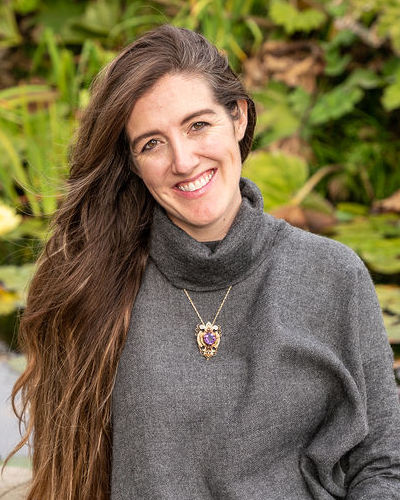
By Kyrié Carpenter, Eden Educator
Not Trying to Stay Young
Kyrieosity.com
Today, October 9th, is Ageism Awareness Day, and October is LGBTQ+ History Month. These observances might seem distinct, but they share powerful common threads — both honor identity, challenge isolation, and invite us to imagine a world where well-being flourishes.
Ageism affects us all
“Young or old? Able or disabled? Straight or gay?”
We hear these pairs all the time, but they’re false choices. Nature rarely fits neatly into binaries, and neither do we. Yet society insists on reducing people to opposites. When we simplify aging into “young” versus “old,” we invite ageism to flourish fueling the plagues of loneliness and isolation.
According to the World Health Organization ageism refers to the stereotypes (how we think), prejudice (how we feel) and discrimination (how we act) towards others or oneself based on age. Most of us first encounter ageism as children, being told we aren’t old enough to do something we know we can. Later in life, it may appear as being passed over for an opportunity because of assumptions about retirement. Ageism shifts over time and context, but its universality gives us a unique lens to recognize other forms of discrimination.
Because we all experience ageism, LGBTQ+ communities experience it too. None of us are immune to cultural pressures to remain young, vibrant, and socially “relevant”. However, LGBTQ+ folks are uniquely positioned to combat ageism. Many of us live outside conventional timelines — forming chosen families and embracing relationships across age ranges. We have redefined the idea of life stages, demonstrating that milestones like marriage, children, or retirement need not follow a fixed order. By embracing flexibility and celebrating lived experience, we challenge society’s rigid definitions of “old” and “young” too.
Of course, this doesn’t mean LGBTQ+ communities are immune. Ageism shows up as microaggressions (“You look great for your age”), exclusion (age filters on dating apps), or invisibility (older LGBTQ+ folks erased from media or events). Questioning ageist remarks or actions helps shift cultural norms.
Challenge ageism
One simple practice is to answer “How old are you?” with your birth year rather than a number. This reframes the conversation, rooting identity (an Eden Alternative Domain of Well-Being®) in context and history rather than inviting quick judgments.
Pride is one powerful tool galvanized by the LGBTQ+ community. Just as LGBTQ+ pride transforms stigma into celebration. Age pride allows us to claim our years with joy rather than embarrassment. Instead of shrinking from our age or disguising it with phrases like “60 is the new 40,” we can assert our lived experience. Age pride reinforces identity and meaning, honors growth across the lifespan, and deepens connectedness across generations.
So, what can each of us do? Begin by noticing the binaries you’ve internalized. Reflect on stereotypes and assumptions you carry about age — both your own and others’. Seek out intergenerational spaces and conversations. And practice pride: pride in your identity, in your survival, the years you’ve lived.
Ending ageism is a collective effort — and claiming age pride is a first step we can all take.
Learn More
This blog is based on concepts and content from an Old School Age Equity Hub workshop I co-created with Ryan Backer. For those interested in exploring this topic further, Ryan has a recorded version of Age Pride: Ageism and the Queer Experience available through Knowledgeable Aging. For more on queering age, check out their zine Age Queer.
*The word “queer” is intentionally used in these titles as a way of reclaiming it for empowerment and community, while also recognizing and honoring the pain it has caused and continues to carry for many others.
About The Eden Alternative
Our Mission: To improve the well-being of Elders and their care partners by transforming the communities in which they live and work.
The Eden Alternative offers educational opportunities, consultation and a proven approach to honoring Elderhood – with resources for Elders and their care partners to elevate well-being.
